Denver's Short-Term Rental Rules Have Teeth Now — What Buyers
Denver's owner-occupancy STR rule is being actively enforced in 2026. Here's what buyers underwriting Airbnb income — and sellers with STR history — need to do
As of October 1, 2026, Denver is actively enforcing its short-term rental owner-occupancy rule — scanning more than 25 booking platforms, issuing fines, and in the most serious cases pursuing felony fraud charges. If you're buying a property because it "works as an Airbnb," or selling one that has STR history baked into the price, the rules reach directly into your transaction.
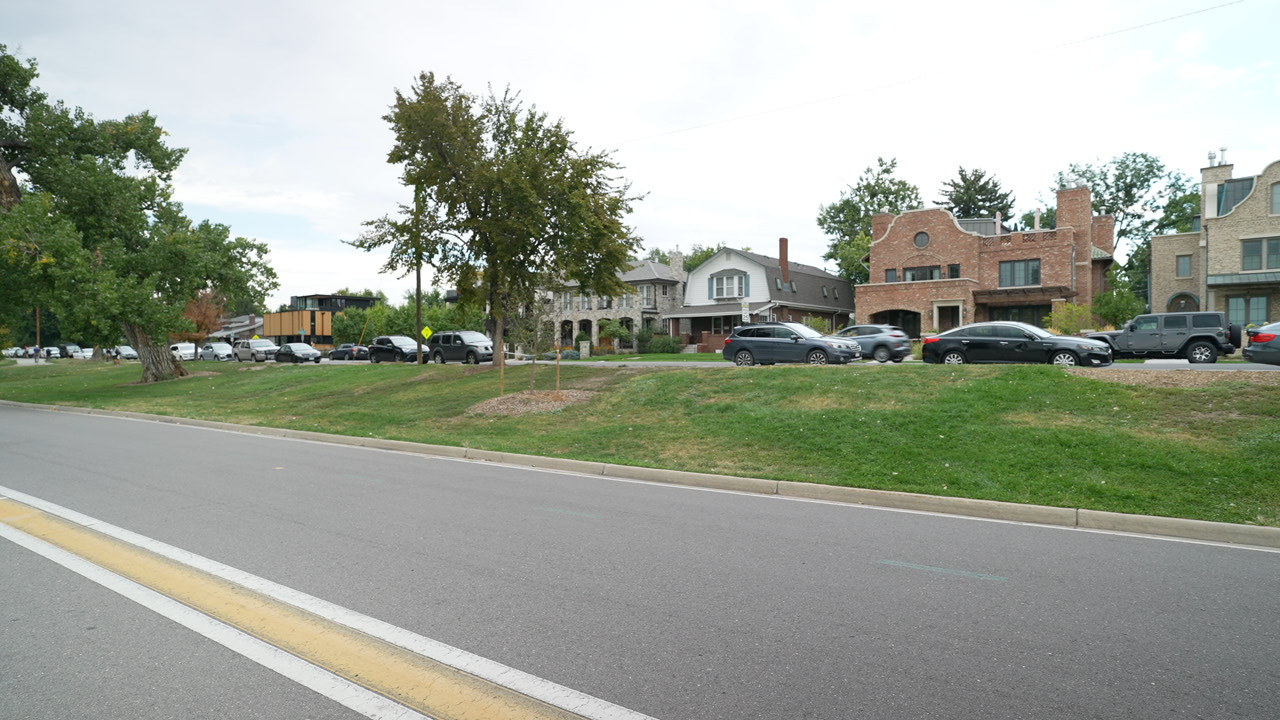
Denver's Airbnb Rules Have Teeth Now
Denver's STR ordinance requires every short-term rental operator to hold a valid city license — and to operate the rental as their primary residence. The city uses third-party monitoring software to scan more than 25 online booking platforms for unlicensed listings, cross-referenced against 311 neighbor complaints and annual audits of primary residence documentation [1].
Fines escalate fast: $150 for a first violation, $500 for a second, $999 for the third and beyond — and operating without any license at all can trigger fines up to $2,000 per violation [1]. In the most serious cases, where hosts provided false primary residence information on their application, Denver has pursued felony fraud charges: 2–6 years in prison and fines up to $500,000 [1].
If you're buying a property expecting short-term rental income and you close without checking the licensing rules, you may discover you can't get a license at all — because you won't be living there full-time. That's a cash-flow shortfall that was never in your numbers.
How the Owner-Occupancy Rule Reaches Your Transaction
This is what matters before you make an offer.
Denver's STR license is tied to the owner who applied for it and to the specific property. It cannot be sold, assigned, or transferred at closing. When a property changes hands, the license is extinguished.
A buyer who plans to rent short-term must apply for a new license in their own name — and to qualify, they must occupy the property as their primary residence. An investor who won't live there cannot get a license under current Denver rules [1].
This means the income a buyer saw in the listing — "currently operating as a successful Airbnb" — is not an asset that transfers with the deed. The revenue history is real. The right to continue earning it is not.
For a buyer who factored STR income into their offer price or debt-to-income calculation, the gap between projected income and zero is a direct hit to the deal's financial logic.
What the Numbers Show: Enforcement Is Real
Denver's residential rental licensing program has issued more than 30,000 licenses since the requirement became mandatory for all residential rentals on January 1, 2024 [1]. Enforcement has included 3,004 notices of violation warning letters and $168,072 in fines to unlicensed landlords, with 2 criminal citations issued in the most serious cases [1].
Denver's monitoring infrastructure is active, the fine schedule escalates quickly, and the felony fraud pathway has been used [1].
Treat any STR income figure in a listing as historical revenue, not a transferable asset, until you've confirmed the property is eligible under current rules and that you'll occupy it as your primary residence.
Why This Hits Denver Buyers Harder Than Most Markets
At Denver's current price levels, the STR income gap is real. The Denver-area median list price is $564,900 across all property types as of October 2026 [2]. A buyer putting 5% down carries a $536,655 mortgage at a monthly principal-and-interest payment of $3,635 at today's 7.18% rate [2]. That is the full payment with no rental offset — and it's the number a buyer who can't license the property will carry every month.
The neighborhoods where this matters most are LoHi, RiNo, Berkeley, and Capitol Hill — areas where short-term rental demand has historically been high and the gap between "marketed with STR history" and "licensable by a new owner" is widest. If you can't license the property, you're carrying that full payment with no offset. Whether that still works depends on your situation — but it needs to be the number you're running before you make an offer, not after you close.
Colorado state law defines any rental of a lodging unit for less than 30 days as a short-term rental and delegates regulation to the county level [1]. Denver's ordinance sits on that foundation, and it is not going anywhere.
What This Means for the Denver Market Right Now
The enforcement ramp-up affects prices, not just compliance.
If a property was priced assuming STR income, it's worth less to you if you can't replicate that income. Denver's owner-occupancy requirement is not a temporary crackdown — the monitoring infrastructure scanning more than 25 platforms, running annual audits, and cross-referencing primary residence documentation is built for sustained enforcement [1].
If you understand the licensing reality before making an offer, you can negotiate from solid ground. If you're selling and you price accurately and disclose fully, you avoid a deal falling apart when the buyer's lender or attorney catches the gap.
What to Do Before You Close
If you're buying:
- Check the license status before you go under contract. Verify whether the property currently holds an active STR license through Denver's Excise & Licenses database. Confirm it is a primary-residence license, not a grandfathered or non-compliant one.
- Confirm you will occupy the property as your primary residence. This is not a workaround situation — the city is scanning platforms and auditing primary residence documentation.
- Check for HOA or zoning restrictions independently. A city license does not override an HOA prohibition. Ask your agent whether the property is in an HOA or zoning overlay that independently restricts short-term rentals.
- Run the numbers without the STR income before you make an offer. Know what the property costs you with zero rental income and decide whether that still works. See how Denver's current market affects your purchase math.
- Ask the seller for the property's STR history — current license status, any prior enforcement actions, any prior non-renewals. If there's been a license issue, that's worth raising with your agent or attorney.
If you're selling:
- Disclose the licensing status accurately and completely. Colorado seller disclosure forms require disclosure of material facts. A prior license, a revocation, or a pending enforcement action is material to a buyer underwriting STR income. Consult your real estate attorney on the specific disclosure language — your agent can help you frame the real-estate implications.
- Price the property for what a buyer can actually do with it, not what you were able to do with it. A buyer who cannot replicate your STR income will not pay a price that assumes they can. Denver's fall selling window is already open — pricing accurately matters now.
- Gather your documentation before you list — current license status, any prior enforcement actions. This surfaces issues before you're in contract and the clock is running.
Let's Look at Your Specific Property
Denver's STR enforcement is how this market works now. If you check the licensing reality before you fall in love with a property's Airbnb potential, you're already ahead of most buyers.
Whether you're buying a property with STR history or selling one, the rules are clear enough that a 20-minute conversation can tell you exactly where you stand — before you're in contract. Schedule a 20-minute conversation today and we'll walk through your specific property or purchase target against the current licensing rules.
---
Paul McCoy, Realtor | Fathom Realty | License #: FA.100105533 | (319) 325-0668 | pmccoy626@gmail.com
Paul McCoy is a licensed real estate professional in Colorado. Equal Housing Opportunity.